


Top Nutrition Myths 2021
Nutrition myths seem to get crazier every year and 2021 was no exception.
TikTok, in particular, had a big part to play in this, with the likes of chia seed water and chlorophyll drops being promoted as health saviours.
To find out what nutrition myths were popular in 2021 – keep reading!
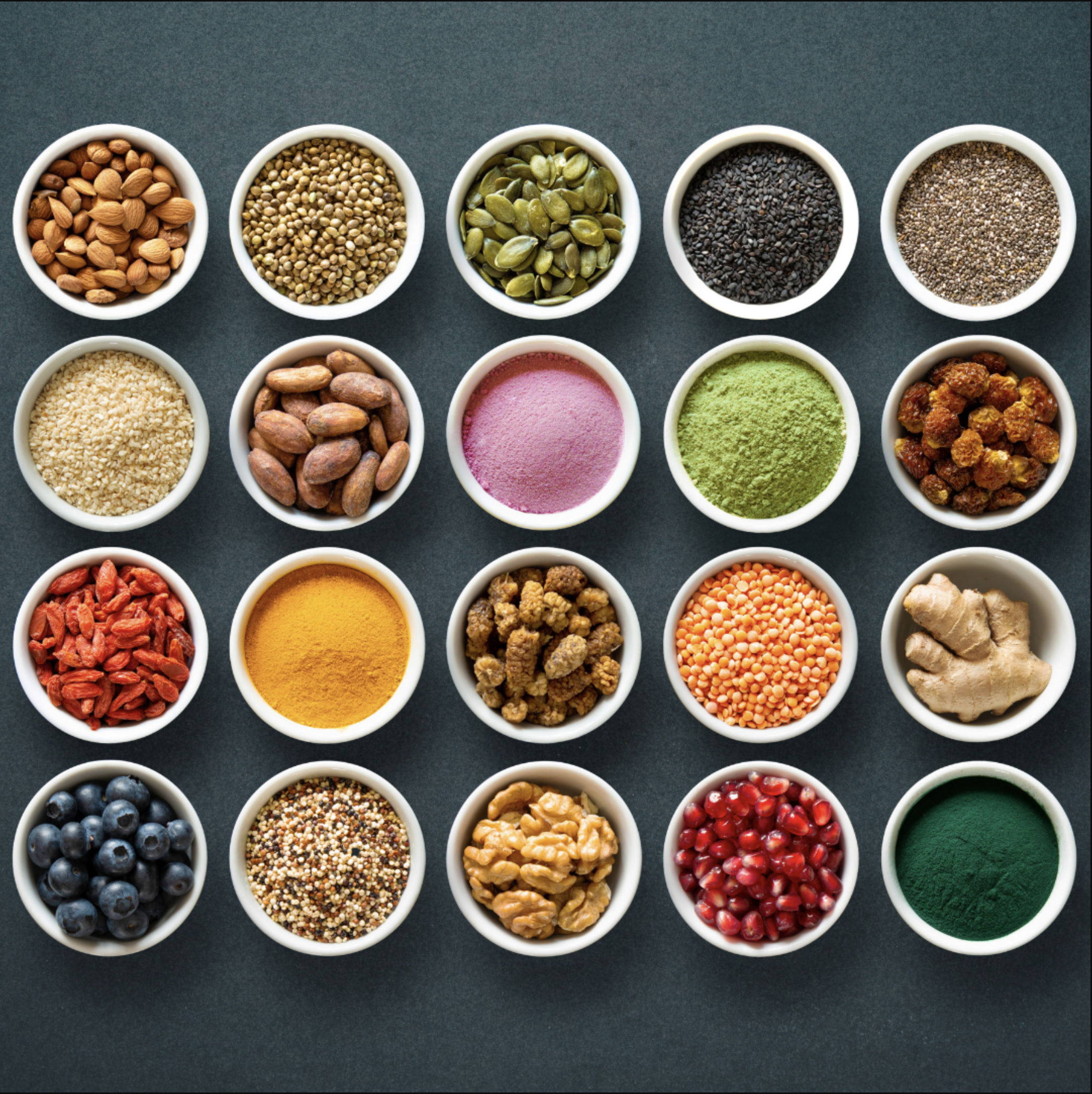
Myth 1: Superfoods Boost Immunity Against COVID-19
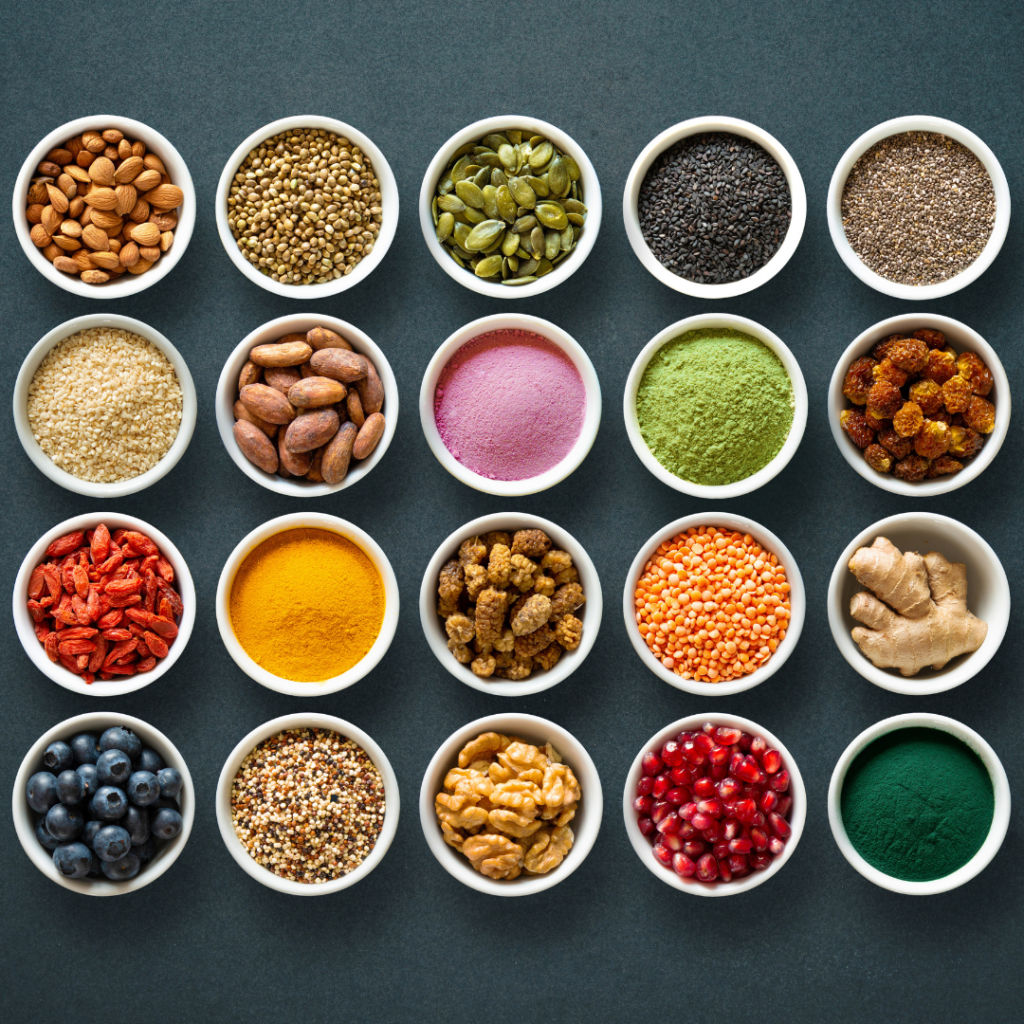

Since the COVID-19 pandemic began, there has been an abundance of nutrition claims circulating the internet encouraging the consumption of “superfoods” to “boost our immune system”. However, these claims are not based on scientific evidence – here’s why:
- Many online health gurus claim that we can “boost” our immune system (beyond normal levels) to fight off infections, such as COVID-19. The reality is that we cannot BOOST our immune system with food, we can only SUPPORT it. Even if we could boost our immune system with food, this isn’t necessarily a good thing. An overactive immune system could lead to health issues such as autoimmune disorders and allergies – so remember, a “normal” immune system isn’t necessarily a bad thing!
- The term “superfood” is a marketing term used to promote products (usually expensive ones!) – it isn’t based on scientific evidence. Individual foods aren’t going to give you a super-human immune system, so instead think about what your overall diet looks like. The best way to support your immune system is to ensure you are getting plenty of nutrients from a balanced and varied diet.
Myth 2: Supplements Are Vital for Good Nutrition
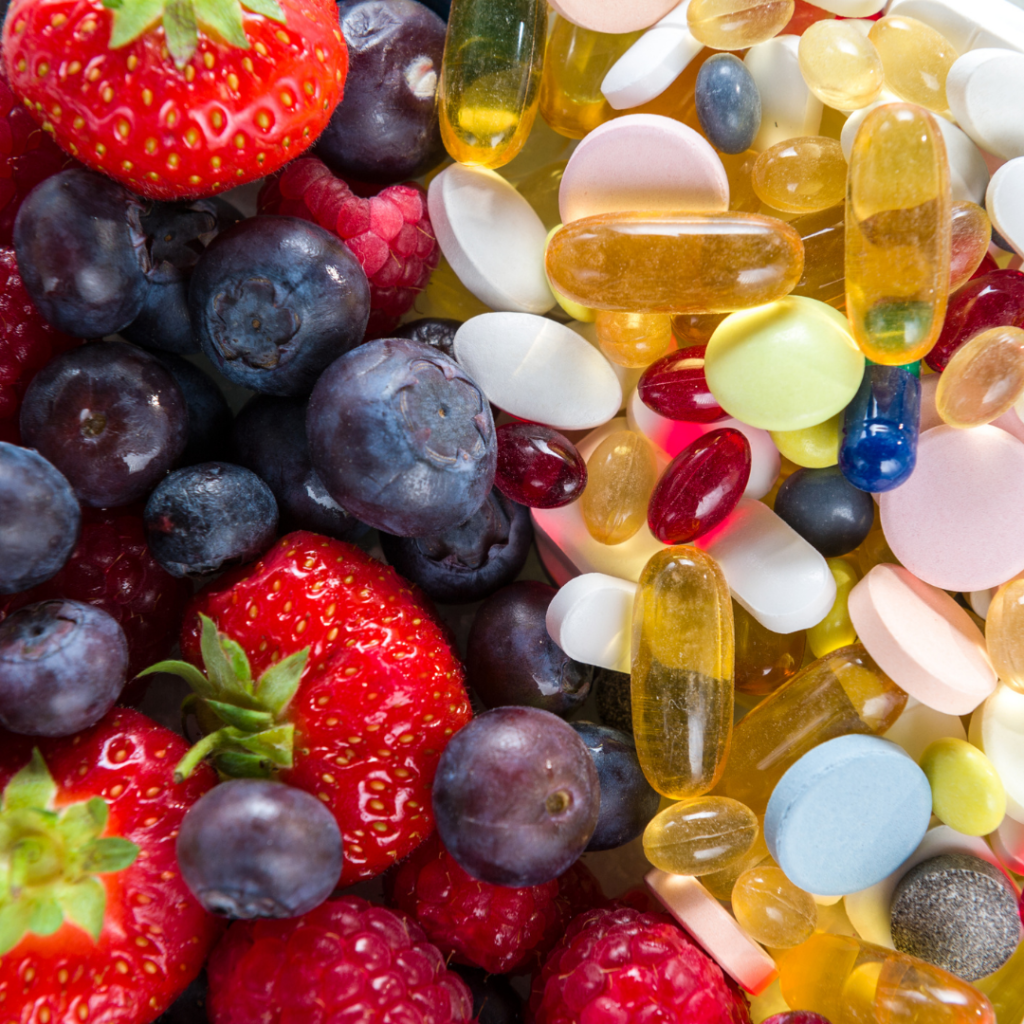
The supplement industry is ever-growing, and it is still commonly believed that the more supplements you can take, the better. However, believe it or not, having too much of a single nutrient could have a negative impact on your health.
Ideally, we should aim to get vitamins and minerals from dietary sources. Food and drinks contain many components that most supplements don’t have – such as fibre, water, phytonutrients and energy. Therefore, it is important to eat a varied diet, with lots of colour, to ensure you are getting all the essential nutrients.
Nevertheless, one supplement we are ALL recommended to take in the UK is vitamin D (10 micrograms daily), as we don’t make enough of it ourselves through exposure to sunlight. There are also some circumstances where supplementation is or might be required, including:
- In older age (e.g. vitamin B12 absorption decreases with age so a supplement might be required)
- Pregnancy (a folic acid supplement is recommended)
- Children aged 6 months to 5 years (recommended to take vitamin A, C and D)
- If you have a medical condition that interferes with the absorption of nutrients (such as coeliac disease).
- If you have specific dietary requirements (e.g. following a vegan diet)
- If you are unable to eat a varied diet – sometimes we go through periods where eating a balanced diet isn’t possible.
If you are unsure about supplementation, please contact a health professional for support.
Myth 3: The Keto Diet is the Best Weight Loss Method
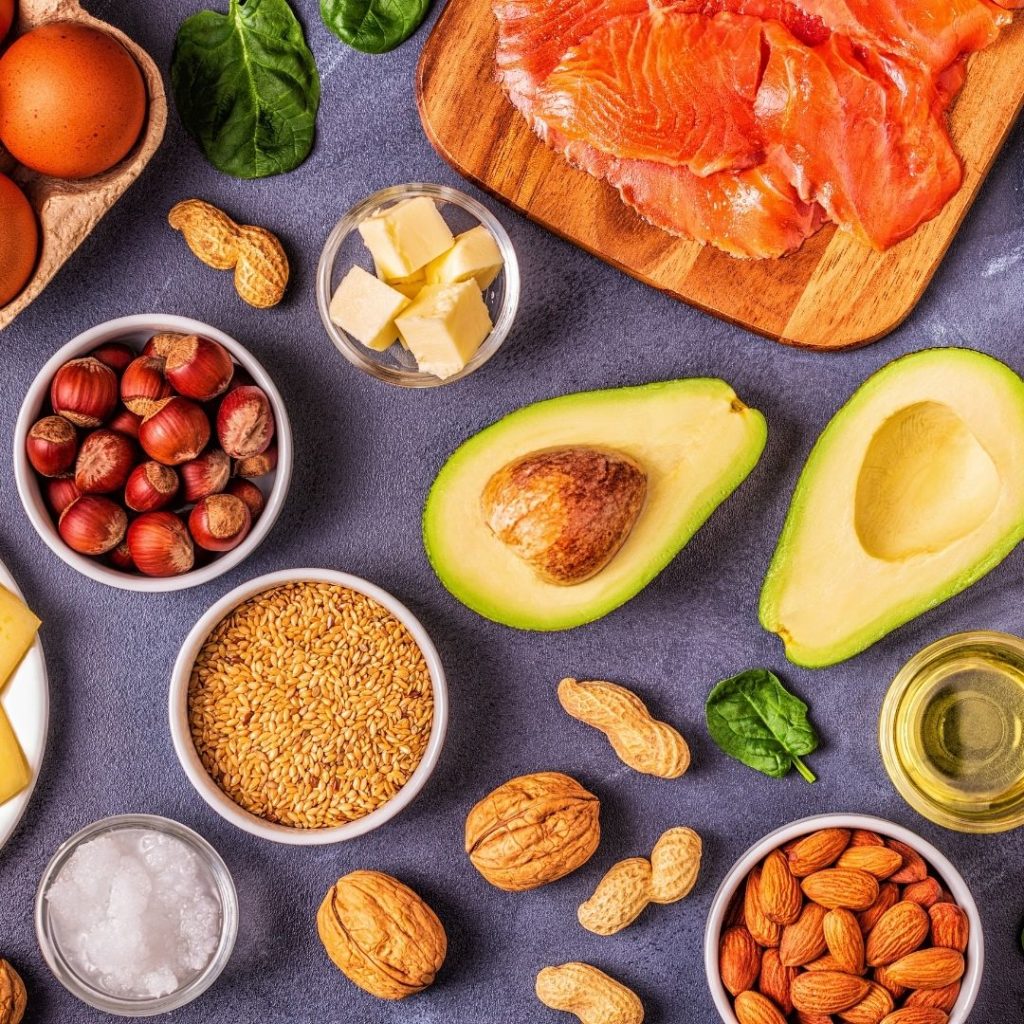
For years the keto (or ketogenic) diet has been touted as the ultimate diet for weight loss on social media. In 2021, there were a number of medical doctors promoting it as the “last diet you’ll ever need”, which means it must be good, right?
Wrong. The keto diet – which is a very high fat, low carbohydrate diet – is another fad diet that could pose more risks to your health than benefits.
With regards to weight loss, research suggests that the keto diet is no better than other conventional weight loss methods in the long-term (Bueno et al, 2013). In addition, due to its very restrictive nature, some people may struggle to stick to the diet for any length of time.
Following a very low carbohydrate diet might also increase the risk of nutritional deficiencies, as it restricts nutrient-rich food groups such as fruits, vegetables and wholegrains. Additionally, the keto diet has been shown to elevate LDL-cholesterol (sometimes called “bad” cholesterol) in some individuals, which could increase the risk of cardiovascular disease (Kirkpatrick et al, 2019).
On top of that, there are numerous short-term side-effects associated with the keto diet, including flu-like symptoms, loss of energy and constipation (Masood et al, 2020).
If you are seeking a weight loss method that works for you, my advice is to work with a Registered Dietitian or Registered Nutritionist who can help you lose weight sustainably, without the extreme restriction.
Myth 4: Collagen Supplements Improve Hair Growth
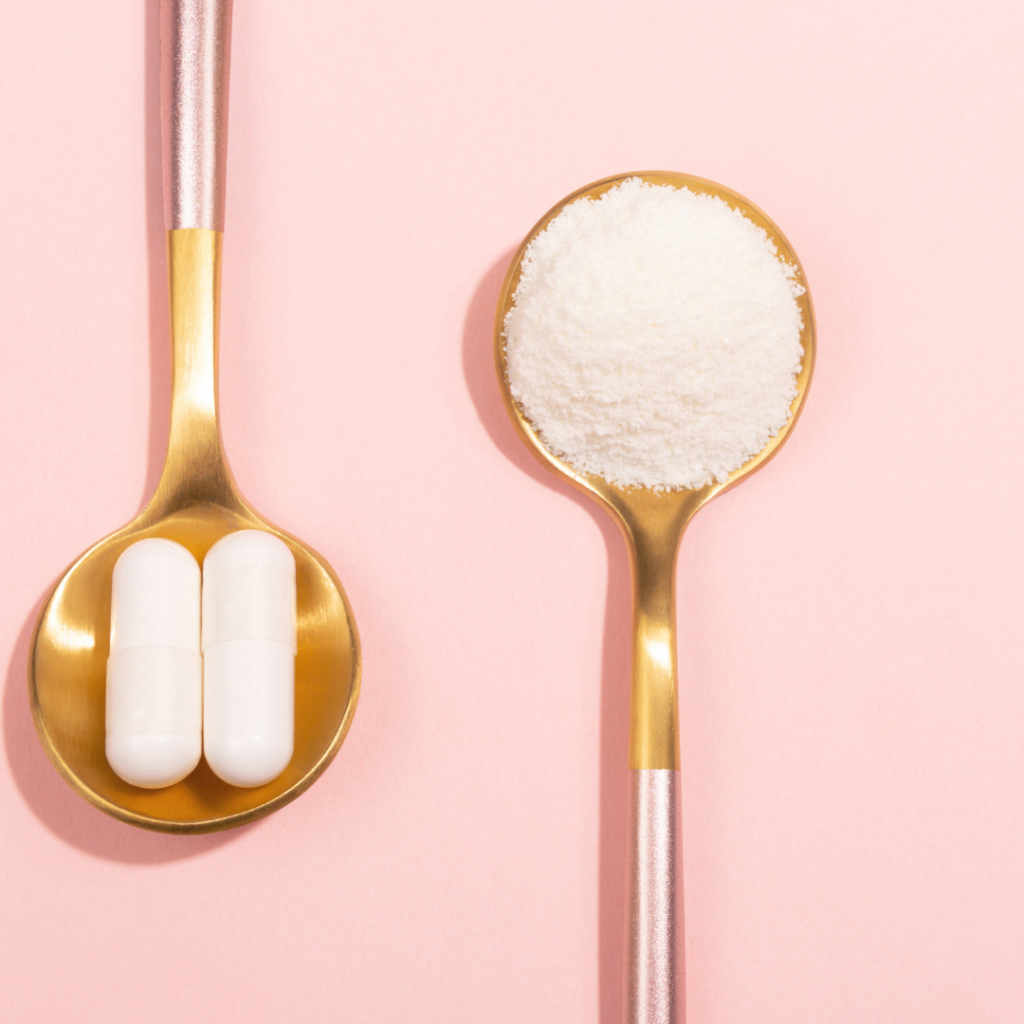

Collagen is the most abundant protein in the body, and it is the primary component of connective tissue. It has sky-rocketed in popularity in recent years* as a beauty supplement, with claims that it can improve your skin, hair and nails.
Whilst there is evidence to support the claims that collagen supplements improve the hydration and elasticity of skin (Czajka et al, 2018; Sangsuwan et al, 2020; Evans et al 2020), there are no studies at present to support the use of collagen for hair.
Despite this, numerous articles still circulate the internet hyping collagen as the next best hair supplement. This is why it’s really important to ensure that there is sufficient evidence to support claims made online, before buying into the latest supplement trend.
*According to Holland and Barrett’s 2022 Wellness Trend Report, the retailer saw a 94% increase in collagen sales between 2020 and 2021.
TikTok Nutrition Myths
TikTok continued to grow in popularity throughout 2021 – and so did a number of unsupported health claims promoted on it.
Myth 5: Chia Seed Water for Weight Loss
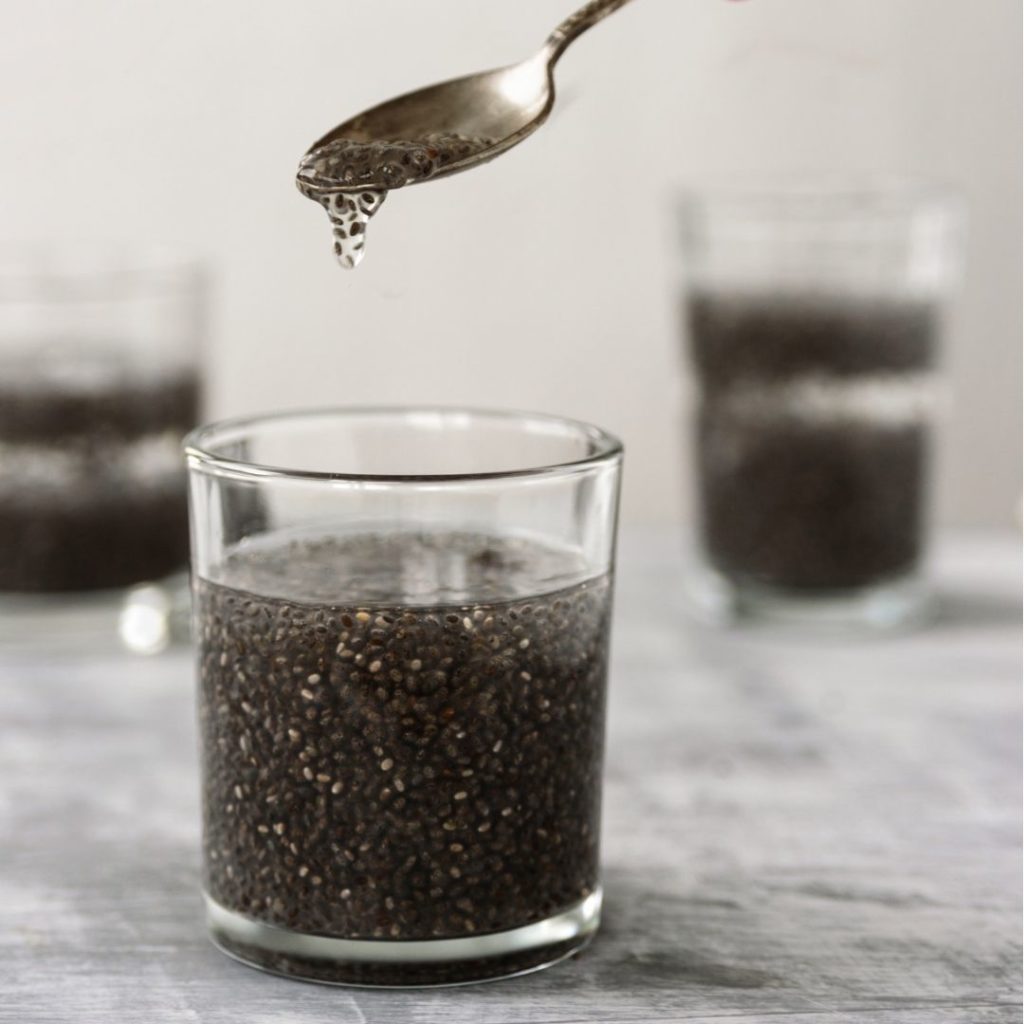

Chia seeds are a nutritious topping to your morning bowl of porridge, but please don’t drink them!
A TikTok trend emerged in 2021 which involved drinking chia seed water (1 tbsp of chia seeds mixed in a glass of water) for weight loss. One video promoting the trend has over 16.4 million views and claims that “chia seeds expand in your stomach and form a thick gel, reducing your appetite and increasing feelings of fullness”. The TikTok user said that you should drink chia seed water “30 minutes before meals” to fill you up.
At present there is no evidence to support the use of chia seed water as a weight loss method. Whilst chia seed water might give you a sensation of fullness, trying to reduce your appetite through these “quick-fix” methods is not a long-term solution to weight loss.
There is a misconception that in order to achieve weight loss, you need to reduce your hunger as much as possible, but this isn’t the case. In fact, you might end up undernourished if you don’t consume enough nutrients through food. Creating sustainable changes, whilst also maintaining a balanced diet and a realistic calorie deficit will be more beneficial that this TikTok trend!
Myth 6: Chlorophyll Water is a Miracle Cure-All
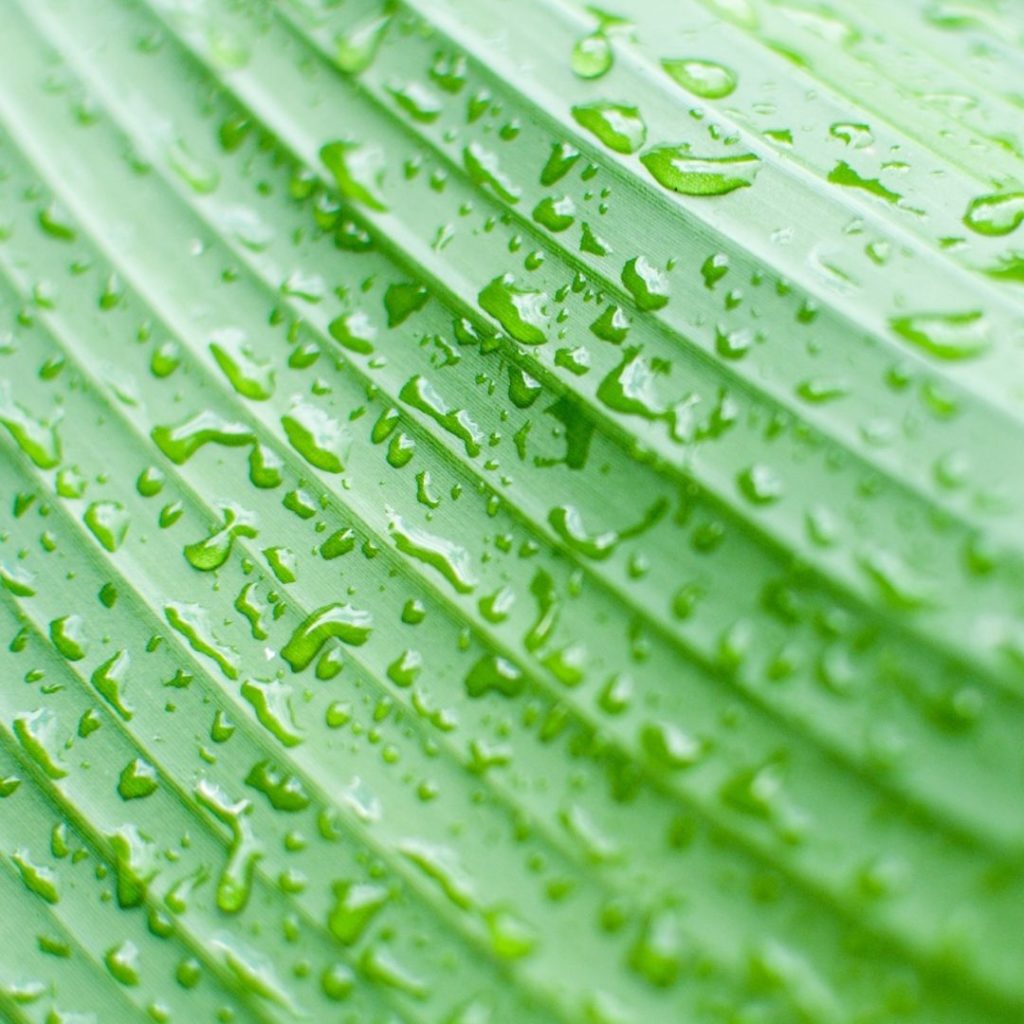

Liquid chlorophyll drops boomed in popularity in 2021 mainly thanks to TikTok. Adding chlorophyll to your drinking water ‘allegedly’ treats acne, reduces bloating and may have cancer curing properties – but is the hype based on any scientific evidence?
Firstly, what is chlorophyll? Chlorophyll is a pigment in plants that is required for photosynthesis (it also gives them their green colour). It is found in a variety of plants, including the green vegetables and herbs we eat.
At present, there is a significant lack of evidence to support chlorophyll’s supposed health claims. With regards to cancer, the claims have been extrapolated from research using cancer cells in a lab, which is very different to humans taking a chlorophyll supplement in the real world (Vaňková et al, 2018).
My verdict? Save your money and eat green vegetables instead. There is no need to go out and buy an expensive chlorophyll supplement when green vegetables (like spinach and kale) provide you with a rich-dose of chlorophyll and other nutrients!
Summary
Last year showed us that nutrition myths continue to be commonplace and can go viral after one TikTok video! There is no doubt that there will be an abundance of nutrition myths shared online in 2022, but to help you avoid nutrition misinformation this year, here are my top tips:
- If it sounds too good to be true, it probably is! Steer clear of quick-fix “solutions”, as these often ignore the complexity of our biology and behaviour change.
- We are all unique and what works for one person, may not work for another. Be cautious of one-size-fits-all approaches promoted online and seek nutrition advice that is personalised to you.
- Marketing buzzwords such as “detox” and “cleanse” should be a red flag. These are terms used to sell diet products and are not based on scientific evidence.
This post was written in collaboration with Registered Associate Nutritionist, Megan McPherson. You can find Megan on Instagram via @meganmnutrition or @moreplantsnutrition and on her website www.meganmcphersonnutrition.co.uk
References
Bueno, N.B., de Melo, I.S.V., de Oliveira, S.L. and da Rocha Ataide, T. (2013). Very-low-carbohydrate ketogenic diet v. low-fat diet for long-term weight loss: a meta-analysis of randomised controlled trials. British Journal of Nutrition, 110(7), pp.1178-1187.
Kirkpatrick, C.F., Bolick, J.P., Kris-Etherton, P.M., Sikand, G., Aspry, K.E., Soffer, D.E., Willard, K.E. and Maki, K.C. (2019). Review of current evidence and clinical recommendations on the effects of low-carbohydrate and very-low-carbohydrate (including ketogenic) diets for the management of body weight and other cardiometabolic risk factors: a scientific statement from the National Lipid Association Nutrition and Lifestyle Task Force. Journal of clinical lipidology, 13(5), pp.689-711.
Masood, W., Annamaraju, P. and Uppaluri, K.R. (2020). Ketogenic diet. StatPearls [Internet]. Available at: https://www.ncbi.nlm.nih.gov/books/NBK499830/
Czajka, A., Kania, E.M., Genovese, L., Corbo, A., Merone, G., Luci, C. and Sibilla, S. (2018). Daily oral supplementation with collagen peptides combined with vitamins and other bioactive compounds improves skin elasticity and has a beneficial effect on joint and general wellbeing. Nutrition Research, 57, pp.97-108.
Sangsuwan, W. and Asawanonda, P. (2020). Four-weeks daily intake of oral collagen hydrolysate results in improved skin elasticity, especially in sun-exposed areas: a randomized, double-blind, placebo-controlled trial. Journal of Dermatological Treatment, pp.1-6.
Evans, M., Lewis, E.D., Zakaria, N., Pelipyagina, T. and Guthrie, N. (2021). A randomized, triple‐blind, placebo‐controlled, parallel study to evaluate the efficacy of a freshwater marine collagen on skin wrinkles and elasticity. Journal of Cosmetic Dermatology, 20(3), pp.825-834.
Holland and Barrett. The Wellness Trend Report 2022. Available at: https://images.hollandandbarrettimages.co.uk/2-uk/content/trend_report/TrendReport_2022.pdf [Accessed 17 December 2021]
Vaňková, K., Marková, I., Jašprová, J., Dvořák, A., Subhanová, I., Zelenka, J., Novosádová, I., Rasl, J., Vomastek, T., Sobotka, R. and Muchová, L. (2018). Chlorophyll-mediated changes in the redox status of pancreatic cancer cells are associated with its anticancer effects. Oxidative medicine and cellular longevity.